How to Choose the Right False Ceiling Design for Your Home
- dreamhomewooddecor.in
- 0 Comments
A false ceiling can transform the appearance of a home by adding depth, improving lighting arrangements, and creating a polished interior. From simple designs for compact rooms to decorative ceiling features in spacious living areas, the right design can complement your furniture and overall interior style.
Choosing the right false ceiling design for your home requires more than selecting an attractive pattern. Room dimensions, ceiling height, lighting requirements, material selection, and maintenance should all be considered before starting the work.
In this guide, we explain how to choose a false ceiling that suits your home and lifestyle.
1. Choose a False Ceiling Design According to Room Size
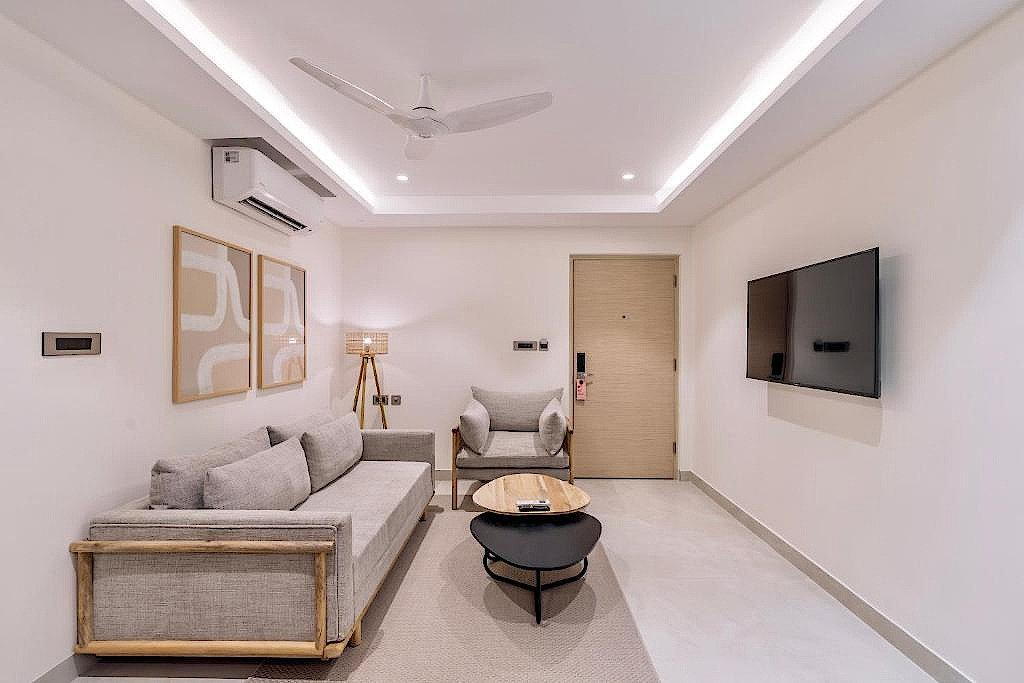
The size of your room plays an important role in determining the right ceiling design.
For smaller rooms, simple designs with clean lines and limited decorative elements can create a neat appearance. In larger rooms, layered ceilings or selected decorative features can help define different areas.
Before finalizing a design, measure the available ceiling height and consider how much space the false ceiling will occupy.
2. Select the Right False Ceiling Design for Your Living Room
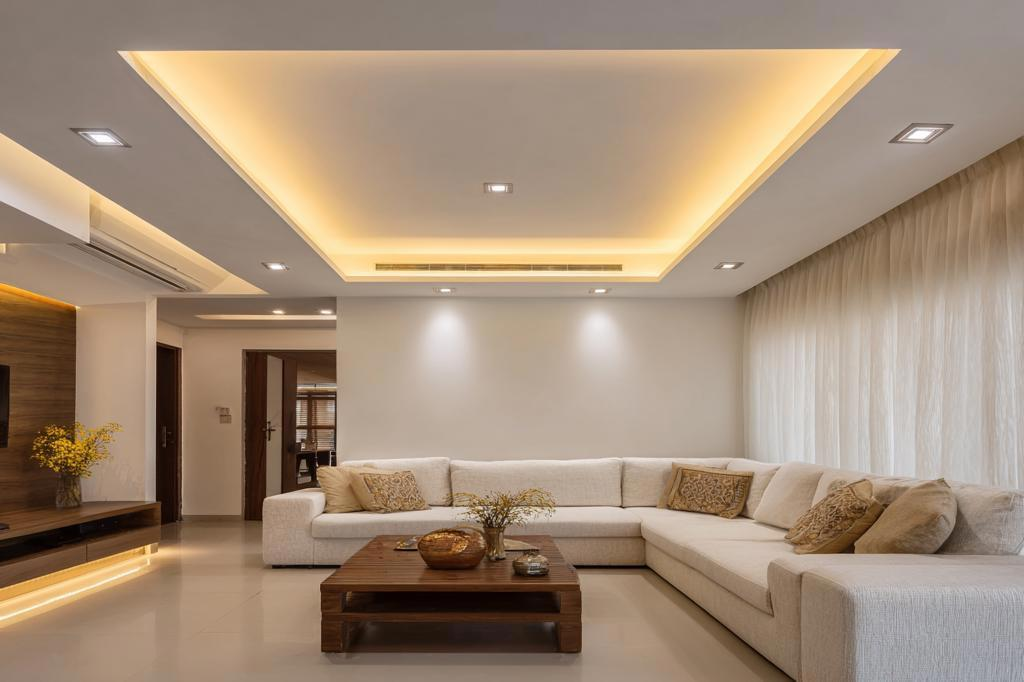
The living room is often an ideal place to introduce a decorative ceiling because it is a central area of the home.
Popular options include:
- Simple rectangular false ceilings.
- Border ceilings with concealed lighting.
- Geometric ceiling patterns.
- Minimalist ceilings with recessed lights.
- Ceiling designs that highlight the seating area.
Choose a design that complements your TV unit, sofa, wall panels, and other living room elements. Avoid adding too many decorative features if the room already has detailed furniture or wall finishes.
3. Consider Simple False Ceiling Designs for Bedrooms
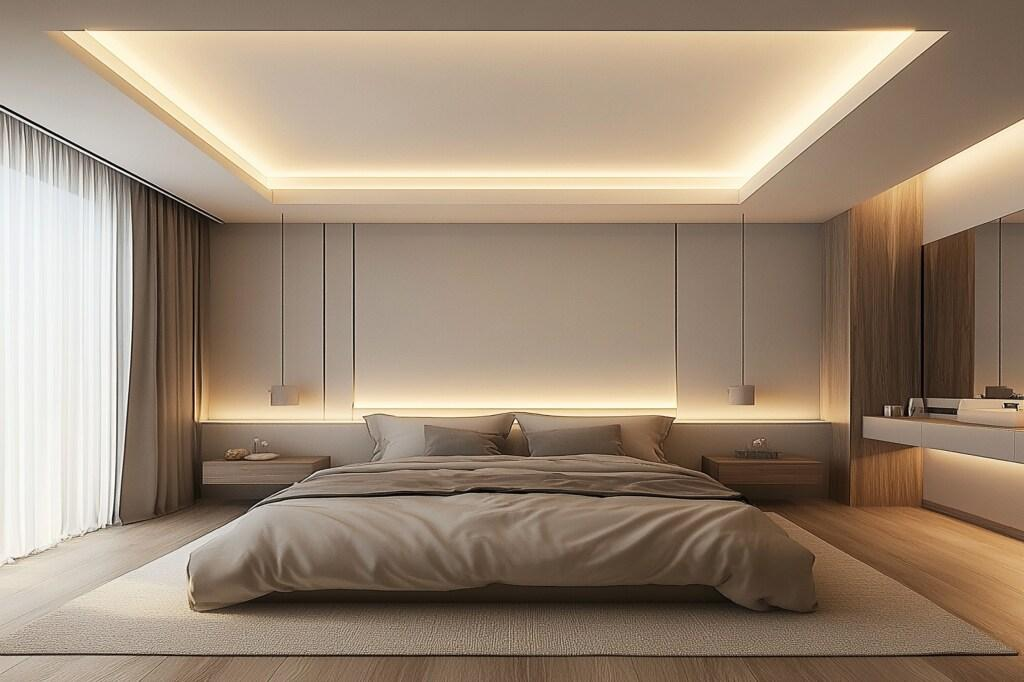
A bedroom ceiling should support a calm and comfortable atmosphere.
Simple border designs, soft indirect lighting, and minimal recessed fixtures can create an elegant appearance without making the room feel busy.
You can coordinate the ceiling with the bed back wall and bedside lighting to create a consistent bedroom design.
4. Understand Different False Ceiling Materials
Material selection affects the appearance, installation process, maintenance, and suitability of a false ceiling.
Common options include:
Gypsum: Frequently used for smooth, modern ceiling designs and integrated lighting arrangements.
POP (Plaster of Paris): Can be shaped into decorative patterns and customized ceiling features.
Wood and wood-finish panels: Add warmth and texture to selected ceiling sections, particularly in contemporary interiors.
Metal ceiling systems: Can be suitable for particular commercial or specialized applications, depending on the required finish and performance.
The right material depends on the design, installation conditions, moisture exposure, and project requirements. Ask your interior designer or contractor to explain the advantages and limitations of each option.
5. Plan False Ceiling Lighting Carefully
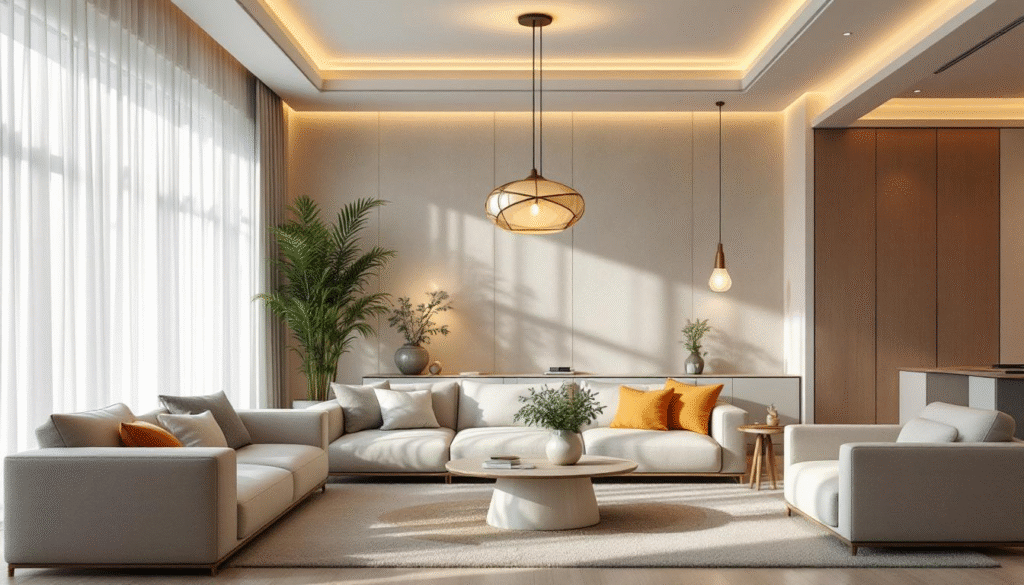
Lighting is one of the most important elements of a false ceiling.
Different lighting arrangements serve different purposes:
- Recessed lights: Provide general illumination.
- Cove lighting: Creates a soft indirect glow.
- Pendant lights: Add a decorative feature above selected areas.
- Spotlights: Highlight artwork or architectural details.
Plan the electrical points, wiring routes, access for maintenance, and lighting positions before installation begins. The arrangement should provide sufficient light without creating uncomfortable glare.
6. Choose a False Ceiling Design for Your Modular Kitchen
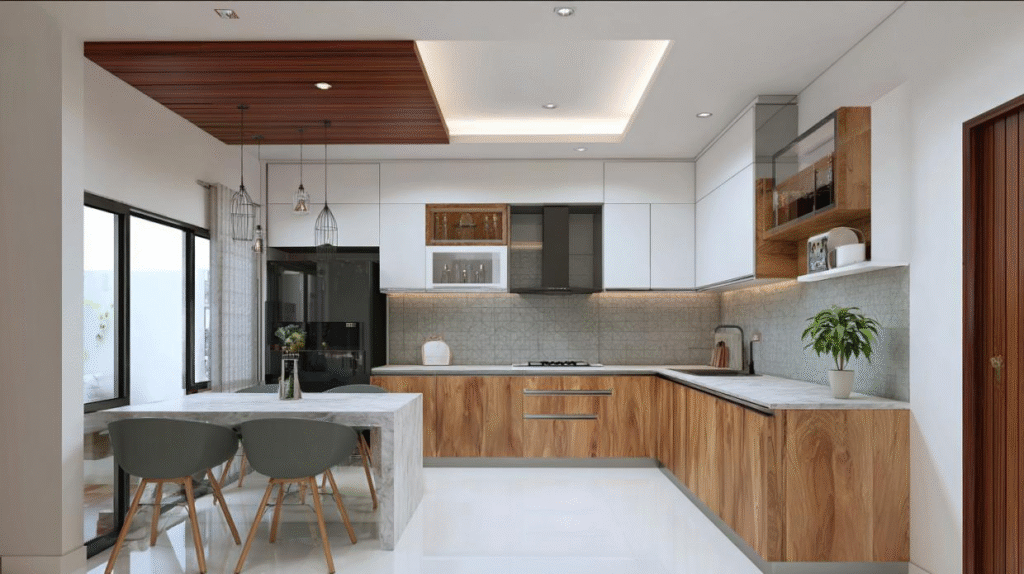
A kitchen ceiling should be practical as well as attractive. Cooking areas may experience moisture, heat, grease, and changing ventilation conditions, so material selection and installation details matter.
Consider a simple design that supports good task lighting and works with your modular kitchen layout.
Before installation, coordinate the ceiling with chimney ducts, ventilation, cabinets, and other services. Use materials suitable for the conditions in the specific area.
7. Match the Ceiling with Your Interior Design Style
A false ceiling should complement the rest of your home rather than look like an unrelated feature.
For a minimalist home, choose simple lines and restrained lighting. For a contemporary interior, geometric patterns and concealed lighting may work well. For a warmer look, consider incorporating wood-finish details with neutral ceiling surfaces.
Maintaining a consistent colour palette across walls, furniture, and ceilings helps create a balanced interior.
8. Avoid Common False Ceiling Design Mistakes
Before approving your ceiling design, keep these points in mind:
- Installing a design that reduces the ceiling height excessively.
- Adding too many decorative layers in a small room.
- Choosing lighting without considering its actual purpose.
- Ignoring access to electrical connections and services.
- Selecting materials without considering moisture exposure.
- Failing to coordinate ceiling work with air conditioning, fans, and ventilation.
- Overlooking installation quality and maintenance requirements.
A carefully planned design can improve the appearance of your home while reducing avoidable installation problems.
9. How Much Does a False Ceiling Design Depend on?
The cost of a false ceiling depends on several project-specific factors, including the room area, ceiling design, material, lighting arrangement, installation complexity, and finishing requirements.
A simple ceiling generally involves different work and materials from a multi-layered design with integrated lighting and decorative features.
When requesting a quotation, ask for details about the materials, framework, lighting provisions, finishing, and installation work included. Comparing quotations with the same specifications makes it easier to understand what each contractor is offering.
10. Why Professional Interior Planning Matters
A false ceiling is connected to several other parts of your interior project, including lighting, electrical wiring, furniture placement, ventilation, and air conditioning.
Professional planning helps coordinate these elements before installation begins. It also allows the ceiling design to complement the room’s overall appearance instead of competing with other interior features.
Dream Home Wood Decor provides customized home interior solutions in Mysuru, including modular kitchens, wardrobes, bedrooms, living areas, and other interior work. You can discuss your home’s requirements with the team before finalizing your design.
Conclusion
The right false ceiling design for your home should balance appearance, functionality, lighting, and available space. Simple ceilings can work beautifully in compact rooms, while carefully planned decorative features can enhance larger living areas and bedrooms.
Before making a final decision, consider your room dimensions, preferred style, lighting needs, material suitability, and maintenance requirements. With proper planning, a false ceiling can become an attractive and functional part of your home interior.
If you are planning new interiors or renovating your home in Mysuru, contact Dream Home Wood Decor to discuss customized interior design solutions.
Related Posts